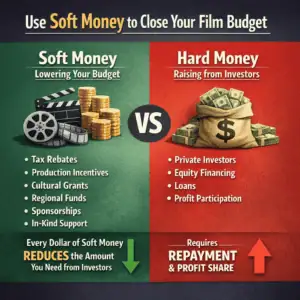
Nothing says I’m ready to make my film and you should investment in my production more than showing you’ve done your homework before ever approaching investors. Film tax incentives are one of the absolute best ways to do this! You’ve slashed your budget by 20-30%+, shown you know what you’re doing and have put skin in the game. As we say in our Business Plan Template, “Any film with more than 50% of their budget secured without risk is considered an excellent investment in the independent film industry.” Here are some of the best ways to leverage tax incentives to fund your film production costs and turn your cinematic dreams into reality without breaking the bank!
In the enchanting world of film production, the pursuit of creative storytelling is often met by the stark reality of financial constraints. But what if there was a way to breathe life into your narrative dreams while simultaneously mitigating fiscal pressures? This is where tax incentives come into play, a saving grace for filmmakers navigating the labyrinth of film production costs. We are going to demystify these incentives and providing you with the tools to make your vision a cinematic triumph.
Film tax incentives are financial advantages offered by city/state/country governments to promote film production within their jurisdictions. These incentives can significantly reduce the overall production budget by offering rebates, credits or exemptions on taxes. In some cases, they can cover up to 40% of production costs, making them an invaluable resource for independent filmmakers.
The road to accessing these incentives is paved with intricacies. Research and due diligence are imperative as the availability and specifications of these incentives vary by region and are subject to change.
To fully leverage tax incentives, a comprehensive understanding of specific requirements and how to meet them is crucial. It is not merely about filming in a location with lucrative incentives, but also about strategic planning and meticulous documentation of all production-related expenses. This foresight ensures you don’t miss out on potential savings that could make or break your project’s financial viability.
Understanding and utilizing tax incentives can have a transformative effect on your film’s financing structure. They can serve as a compelling argument when pitching to potential investors, demonstrating fiscal responsibility and the potential for higher returns on investment. With the aid of our indie film pitch decks and marketing and distribution plans, you can present a well-rounded financial package that highlights the benefits of tax incentives.
Empower yourself with knowledge through our free course on writing a film business plan and gain insights into the world of film tax incentives. Whether you’re looking to secure financing or ensure the legal integrity of your film’s Chain of Title, we offer legal packs and guidance on avenues such as selling documentaries to Netflix are designed to elevate your film’s potential.
In conclusion, tax incentives can be a game-changer for independent filmmakers. The key lies in understanding the landscape, maximizing available benefits, and presenting a well-structured financial plan to stakeholders. Let FilmProposals be your guide on this cinematic journey, providing you with the resources, knowledge, and expertise to turn your film production aspirations into a cost-effective reality.
Back to Top of Film Tax Incentives