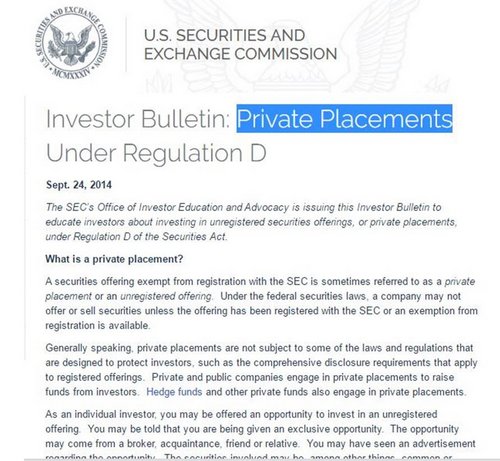
If you are currently immersed in independent film funding, you have likely heard the term Film Private Placement Memorandum (PPM). In the US, there are certain fundraising requirements if you are soliciting unaccredited investors, and in some instances, even accredited investors. In these cases, you will need to provide financial disclosures, also known as prospectuses that are written into a PPM.

PPM stands for Private Placement Memorandum. Issuing a PPM lets your company sell shares of your film to passive investors, which are those who invest, but take no active role in the production. The PPM commonly provides investors with material information, such as a description of the company’s business, financial statements, biographies of officers and directors, detailed information about their compensation, any litigation that is taking place, a list of material properties and any other material information.
Our Film PPM Template is designed (and legally required) for filmmakers who want to:
This complete Film Private Placement Memorandum was used by successful independent producers several times to raise money for full-length feature films at budgets ranging from $350K -$8M. Our Film PPM Template uses real-world current samples from an LLC production raising money right now for 2026. Previously, this same Film PPM was used to raise funds for:
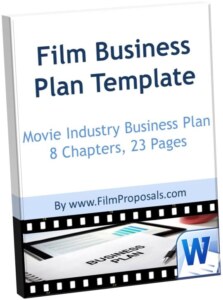
A new Film PPM will easily cost a filmmaker upwards of $10K, however, you can pay an attorney for a few hours of time to review a prepared document and suggest changes. Our Film PPM Pack includes:
Pair our Film PPM with our Legal Production Pack and Protect your Film, Producers & Investors with Lawyer Developed Contracts. Learn More: Filmmaker Legal Pack + PPM
Alternatively, we offer our Film Investor Agreement Outline which includes explanations, sample clauses and key sections geared towards active investors. It is not a complete legal agreement like the PPM, but offers guidance and a lot of legal language that can be re-used.
Our partner Entertainment Attorney is not available at this time. We are currently working to secure a new Entertainment Attorney to whom we may refer our filmmakers. We apologize for the inconvenience.
Each PPM is different, but there are generally 10 sections. The section “Movie and Industry,” will be the same information in your Film Business Plan and Financial Projections and the business plan process will help you to identify your market, audience, distribution plan, industry comparables and more. This information will then turn into the Industry section of your PPM, and the rest is legal and financial disclosures that meet SEC rules.
How does a PPM affect your independent film?
Having a PPM is as much for your protection as it is for your investors’. The primary purpose is to give producers the opportunity to present all potential risks to potential investors, such as the inability to find distribution or that the film may never achieve financial success. This protects the producers from being subject to investors making claims they were not adequately warned about film industry risks. For this reason, it is vital the contents of the PPM be accurate and complete and meet the highest standards of full disclosure, under securities laws, to potential film investors.
In drawing up a PPM, be honest about the film you are making and how you see your projections. This honesty will protect you later on. Do not oversell your film. If you are producing a low budget independent film, that will more than likely be shown at a sales market or film festival, then your PPM should not focus on major theatrical releases. When using comparable films or revenue projections, be as conservative as possible. For example, your found footage film should not reference Blair Witch Project and/or Paranormal Activity, as these are the exceptions in the industry. Yes, everyone hopes for a breakout star film, like the recent Everything Everywhere All at Once, but the purpose of a PPM and Business Plan is to be realistic and honest. Using sequels or franchises when putting numbers together is also not recommended, as they they will skew your numbers.
Where can I get a Film PPM?
Entertainment law firms are a good place to start and are usually in the the $10K – $20K range or you can try online and find an online firm that specializes in PPM’s for far less. However, before doing business with them, make sure they have adequate experience in films. While the PPM does not have to be written by an attorney, it must be reviewed by a qualified attorney to ensure it complies with all federal and state regulations.
Learning the contents of a film private placement memorandum is easier than you may think. Now that you know what a PPM is, and how it can help you raise money from Film Investors, let’s look at the 10 sections of a Film PPM.
The first section of the document, Summary of the Offering, is the most comprehensive and represents the first impression you have on film investors. It is where you first outline your Company, Film and Financial details. The following represents a list of all of the details that make up the Summary of the Offering.
Company Details
Film Details
Financial Details
Although this is just the first section of the PPM, if you can answer the majority of these questions, then chances are, you are ready to put together a meaningful business proposal for your film. If you aren’t sure about these questions, or are on the fence about certain answers, then you are simply NOT ready to approach investors about your film.
You may have a screenplay you believe in, but if you do not have a clear financial plan, you likely won’t be able to respond intelligently to a savvy investor who will ask you these questions. If you are making an independent film, it is time to get in that mindset – which means YOU need to make it happen. Seek out these answers and experienced producers, and don’t get discouraged by a cold shoulder or a negative response. It only takes one positive response.
The next section of your PPM, following the Summary of the Offering, is Your Movie and the Film Industry. Your Film Business Plan and Financial Projections should provide you all the information you need to complete this section.
The next section of your PPM, following the Summary of the Offering, and Your Movie and the Film Industry, is the Terms of the Offering and Securities Being Offered. The final sections of your PPM detail the terms of the offering, as well as distribution of profits.
Amount of Offering
How much money are you looking for? This is not necessarily your budget, as you may have a tax credit, equity already raised, loans or soft money commitments.
Price per Unit
How much is the minimum investment in the film?
Minimum # of Units
Who owns shares of the film at the onset? This info is needed for management of offering entity and/or larger shareholders of the entity.
This section includes employment agreements, option and equity agreements, loans (from someone to company or from company to someone), agreements to supply, buy, etc. involving management and/or its affiliates.
Compensation of all kinds, inclucing salary and backend.If you do not have crew in place, or have not worked out their deals, then leave them out.
How do you plan to sell Units in your film? Will you have a Broker/dealer or will Units be sold by management? If a broker, include all relevant agreements.
You must also detail the terms of any agreements regarding commissions, due diligence and finders fees in regard to sale of Units.
This section presents the balance sheets for offering entity and Manager of offering entity.
This section lists any lawsuits, pending or actual, against the company or its management.
In summary, the ten main sections of a PPM are:
Related Articles:


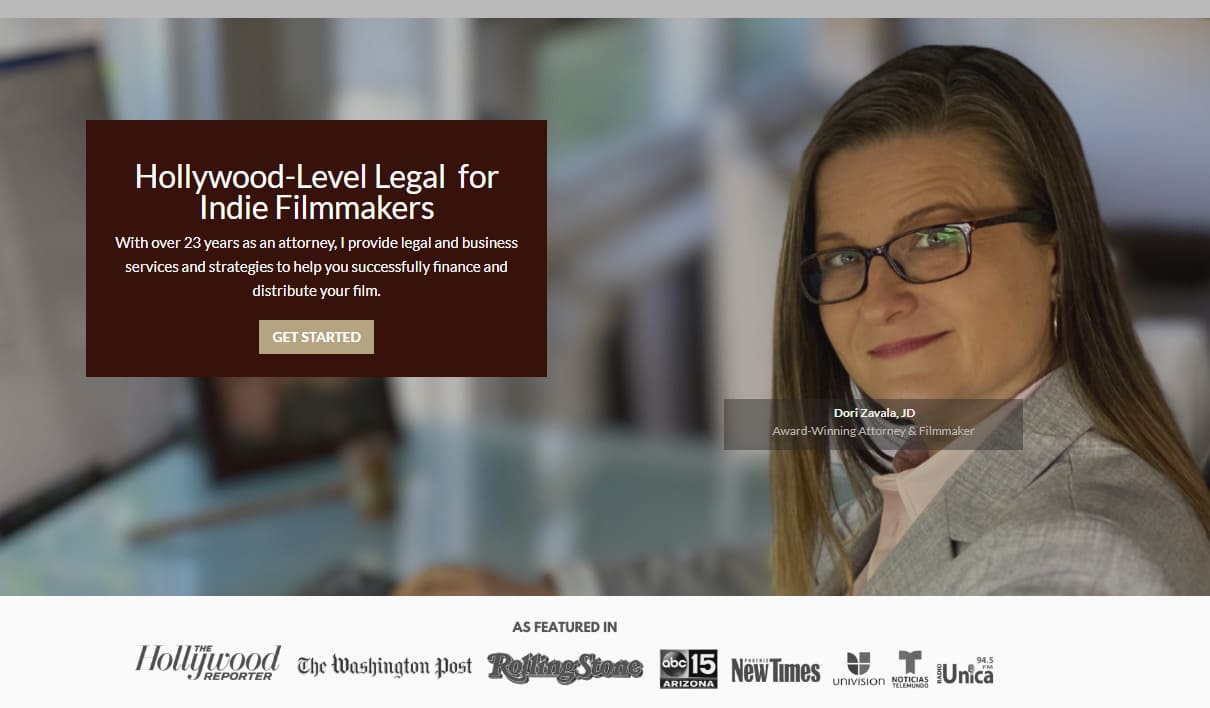
FilmProposals is thrilled to announce we have partnered with Dori Zavala, who offers a variety of filmmaker legal services, some designed just for FilmProposals Filmmakers. Dori is happy to work with our PPM Template and Legal Contracts. Dori is an award-winning attorney and filmmaker with over 23 years experience in the legal, business and finance fields. She is the founder of Open For Show Business, a revolutionary entertainment law and consulting practice that provides high-level strategic legal services and consulting to filmmakers to guide them in the business, legal and financing aspects of funding and distributing their films. Find out more at openforshowbusiness.com.
Back to Top of Film Private Placement Memorandum