
AI has changed what filmmakers expect from a film business plan. A few years ago, many producers understood that building a credible investor package took time, research, financial modeling and market knowledge. Today, free AI tools can generate a polished-looking document in minutes, which creates the illusion that the hard part is done. But investors are not funding formatting, word count or generic optimism. They are looking for believable numbers, real market logic, a compliant outreach strategy and proof the filmmaker understands the business behind the film.
AI film business plans often fail because they solve the easiest part of the problem: writing the text. A tool can produce an executive summary, a market overview, a director’s statement and even a generic distribution strategy. But investors do not invest because a paragraph sounds professional. They invest when the plan answers the uncomfortable questions: how the film makes money, what comparable films actually earned, who the target buyers are, how recoupment works and why this team can execute.
As with ALL AI, which investors already know, the biggest danger is that it can sound confident, while being wrong. It may invent or misstate financial comparisons, use irrelevant box office examples, misunderstand waterfall structures or create projections that look impressive but collapse under basic investor scrutiny. In film finance, weak data is not a small mistake. If your comparable films are inaccurate, your budget assumptions are inflated or your revenue projections are unsupported, the investor may assume the entire package is unreliable.
There is also a serious compliance issue. Raising money for a film is not just a creative exercise; it can involve securities laws, investor suitability, solicitation rules, offering documents and legal restrictions on how and to whom you present the opportunity. AI may give filmmakers language that sounds persuasive but ignores legal boundaries. That is a dangerous place to cut corners. A free AI-generated plan may look like progress, but if it leads to misleading claims or improper outreach, it can damage trust before the investor ever considers the project.
The real value in a film business plan is no longer how you start it – the market has changed. Many filmmakers now assume they can get a free template, a sample waterfall or an AI-generated draft without paying for it. This is 100% correct, much of the information that used be proprietary is now available to the masses at no cost. But, if your AI reliably capable of providing: verified financial projections, researched comparable films, investor-ready strategy and a practical plan for approaching the right people in the right way?
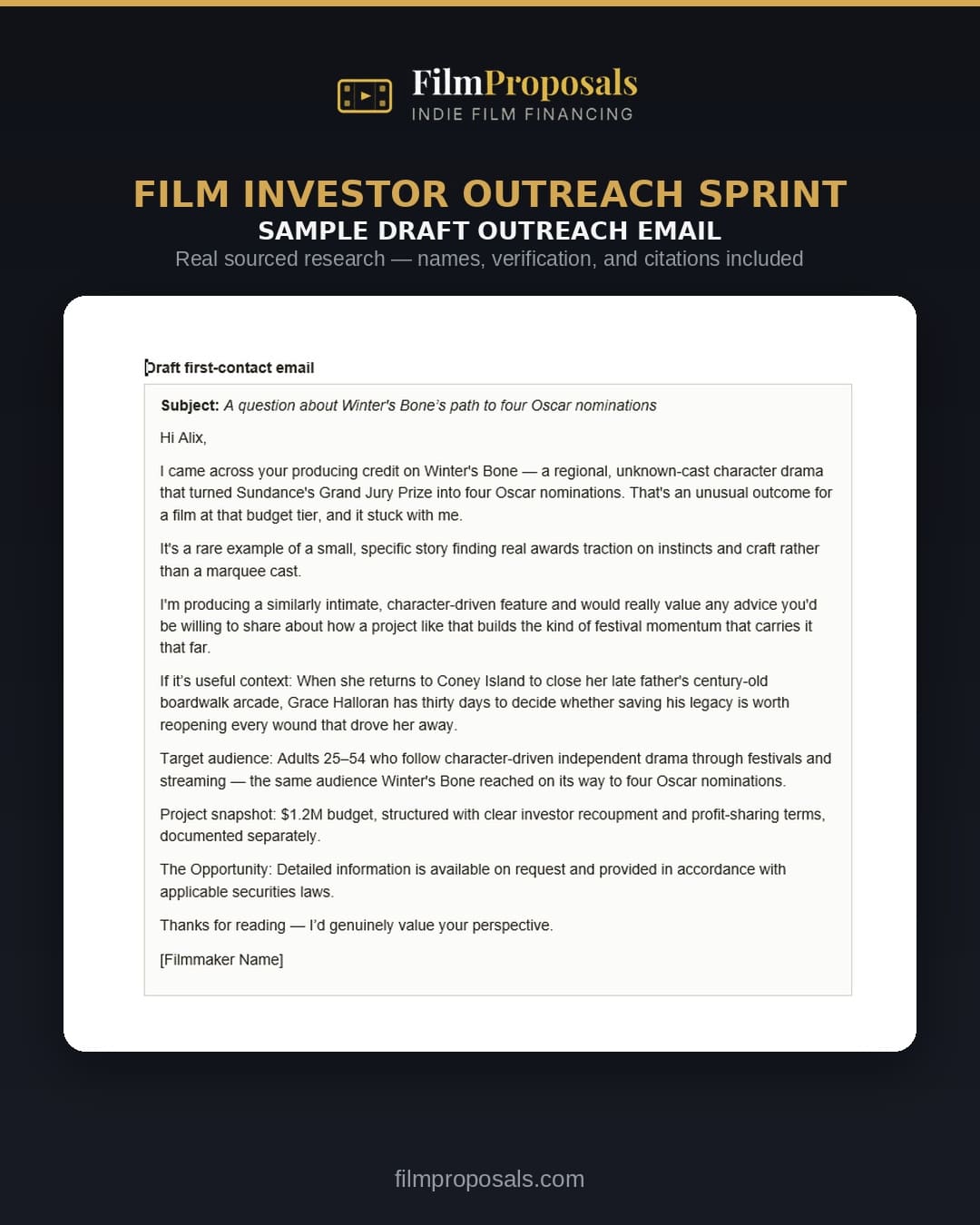
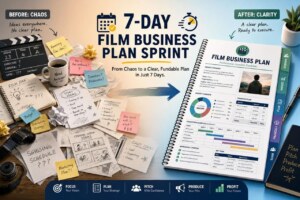
This is where resources like the Film Business Plan Sprint become more relevant than ever. Filmmakers do not simply need pages filled with language; they need investor-facing materials backed by credible data and companies, along with a strategy for outreach. AI can help polish sentences, but it cannot know whether a particular investor email is real, whether a prospect is appropriate for your budget level or whether your financial assumptions match the actual independent film market.
Investors can usually tell the difference between a plan that was generated and a plan that was built. A generated plan sounds broad, safe and familiar. A built plan has specific comps, clear assumptions, realistic risk language, a thoughtful recoupment model and an outreach approach that respects both the investor’s time and the legal realities of fundraising. In 2026 and beyond, filmmakers who rely only on AI may produce prettier documents faster, but the filmmakers who win investor attention will be the ones who bring better data, better strategy and better preparation.
AI is useful, but it is not a film finance expert, a securities attorney, a sales agent or an investor relations strategist. The mistake is believing that because AI can write a business plan, it can make that plan investable. Investors are not fooled by generic confidence. They want credible numbers, grounded assumptions and a professional approach to outreach. The future of film business planning is not about selling a blank template as the hero product. It is about helping filmmakers avoid AI’s blind spots and giving them the data, structure and strategy they need before they ever ask for money.
Compare for Yourself: See How our Business Plan Sprint and Investor Outreach Compares with Real Film Financing Strategies
👉 Investor Outreach Sprint Strategy Here